

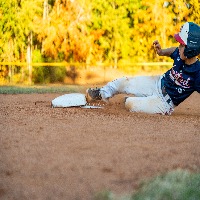
A runner commits to a slide in a fraction of a second. If a foot, ankle, knee, or hand catches a rigid base at that moment, the result can be far more serious than a hard play. Baseball sliding injury prevention bases are designed for that exact point of contact: they help redirect sliding force before a routine attempt to steal a base becomes an avoidable injury.
For league administrators, coaches, athletic directors, and field managers, this is not a cosmetic equipment decision. Bases are contacted hundreds or thousands of times over a season. The right system must protect players, remain stable during normal play, install correctly, and withstand repeated use without creating a new hazard for runners or defenders.
Why Baseball Sliding Injury Prevention Bases Matter
Traditional stationary bases do one job well: they establish a clear, consistent target for runners and fielders. But their fixed position can create a problem when a runner slides late, comes in at an angle, or catches a cleat beneath the edge of the base. A planted foot can keep moving while the body rotates, placing harmful stress on the ankle, knee, or lower leg.
The risk is not limited to aggressive headfirst slides or high-level competition. Younger athletes are still learning how to slide, judge distance, and control momentum. Older players produce more speed and force. Softball players may face similar hazards, particularly on fields with frequent practices, tournaments, and limited time for equipment inspection.
A safety-base system addresses the force of the collision rather than asking players to execute every slide perfectly. When properly designed, the base releases or displaces when a sliding player applies sufficient lateral force. The athlete is less likely to be trapped against an immovable object, while the field remains playable and the base can be quickly returned to position.
That distinction matters. A base that merely comes loose too easily can disrupt play and become an obstacle. A base that never yields may expose athletes to the exact impact forces safety equipment is meant to address. Effective systems are engineered to balance secure everyday performance with controlled release under a sliding load.
What a Safe Breakaway Base System Must Do
Safety is not simply a soft top or a low profile. A complete breakaway system relies on the relationship between the base, its release mechanism, the ground anchor, and the field surface. Each component affects how the base performs when a player reaches it at speed.
Release on Impact, Not During Routine Play
The first requirement is purposeful release. The base should hold its position when runners touch the bag, fielders pivot, and normal game action occurs. It should release when a slide drives force into the base from the side or at an injury-producing angle.
This is why field-tested design matters more than appearance. A base may look substantial and still fail to release consistently. Conversely, an unstable base may move during ordinary play and create concerns for fielders making throws or runners rounding the bag. The goal is controlled displacement, not looseness.
No Secondary Hazard After Release
A base that disengages must not become a dangerous projectile or leave exposed hardware in a sliding path. The system should displace predictably and keep the anchor area as safe as practical for players arriving after the initial slide.
This is particularly relevant during close plays, when a fielder may be receiving a throw as the runner arrives. Player safety includes both athletes. A well-designed breakaway base protects the runner without shifting unnecessary risk to the defender.
Durable Materials and Reliable Anchoring
Youth leagues, school programs, parks departments, and travel organizations need equipment that performs after more than a few games. Weather, field dragging, cleat traffic, repeated installation, and tournament schedules all test the base and its ground sleeve.
Durability should include the hardware below grade. A damaged or poorly seated anchor can affect base alignment, release behavior, and daily setup time. Field crews should be able to inspect the system, clear dirt from the sleeve, and reset the base without improvising repairs between games.
Choosing Bases for Your Program
The best choice depends on the level of play, field ownership, maintenance practices, and the number of teams using the diamond. A permanent municipal complex with multiple leagues has different demands than a school field used primarily for varsity competition. Still, the safety standard should not change simply because the athletes are younger.
Start by looking at how often players slide. Recreational leagues may have fewer advanced slides than competitive travel programs, but younger athletes can be less predictable in their technique. High school and college programs typically generate more force at the base and demand equipment that holds alignment through intensive use.
Also consider who is responsible for field preparation. If volunteers set bases before each game, the system should be clear to install and easy to verify. If a trained grounds crew manages the field, regular inspections can be incorporated into established maintenance routines. In either case, compatibility between the base, anchor, and field conditions is essential.
Double-first bases deserve separate consideration. They provide a dedicated white portion for the fielder and an orange or colored portion for the runner at first base, helping reduce collisions in the running lane. They solve a different safety issue than a breakaway base, but many programs benefit from using both approaches as part of a complete field-safety plan.
Installation and Maintenance Determine Performance
Even the strongest safety design cannot compensate for improper installation. Ground anchors must be set at the correct depth, aligned accurately with the base paths, and surrounded by stable infield material. A tilted sleeve or uneven soil can prevent a base from seating correctly.
Before a season begins, inspect every base location. Check that anchors are level, sleeves are free of compacted dirt and debris, attachment components are intact, and bases sit firmly in their intended position. Test the release and reset function according to the manufacturer’s instructions before players take the field.
During the season, inspect more often than many programs expect. Heavy rain can wash material away from anchors. Dragging can move soil into sleeves. A hard slide or a player stepping directly on an edge can reveal damage that was not visible during pregame setup. A quick check after tournaments, doubleheaders, and severe weather prevents small issues from becoming game-day failures.
Avoid mixing components from different base systems unless they are specifically designed to work together. A base, release plate, and anchor function as a system. Substituting hardware may affect fit, holding strength, or release behavior. Saving a few dollars through a mismatched repair can compromise the reason the safety base was purchased in the first place.
Make Safety Bases Part of a Larger Sliding Plan
No base can replace instruction. Coaches should teach players when to slide, how to keep hands and feet from reaching beneath the bag, and how to avoid dangerous contact with fielders. Practice should include game-speed approaches, not only slow-motion technique on grass.
Field conditions also influence sliding safety. A hard, dry infield can increase impact. An uneven base path can change a runner’s direction at the last moment. Poorly maintained lips, holes, or loose material around the bag create hazards before the player even reaches the base. Consistent grooming and proper moisture management support the performance of any base system.
Programs should also establish a simple response plan after a base-contact injury. Remove the athlete from play when warranted, inspect the base and anchor immediately, document what occurred, and correct any equipment or field issue before the next game. Treating every incident as useful safety information helps prevent repetition.
Rogers Base Company built its BreakAway™ systems around a direct premise: bases should respond intelligently when athletes need protection most. That is the standard decision-makers should expect from equipment placed at every sliding target on the diamond.
A safer field is built before the first pitch, through choices that respect how quickly a routine play can change. Install bases that are designed to yield when impact demands it, maintain them with the same discipline given to the rest of the field, and give every player a better chance to leave the game on their own feet.