

NCAA Baseball 2026: The New Double First Base Mandate Explained
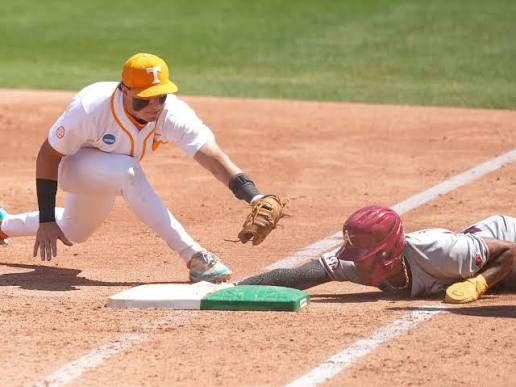
The NCAA has implemented a significant safety rule change: the double first base is now a requirement for NCAA Division I baseball competition starting in the 2026 season. This mandate, which follows a trial run in the 2024 SEC Tournament and optional use in the 2025 season, aims to dramatically enhance player safety and minimize the risk of collisions at first base.
What is the Double First Base?
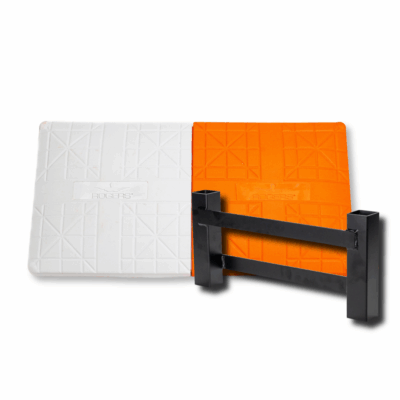
The double first base, sometimes referred to as a “safety base,” is a single unit composed of two sections:
- A white portion positioned in fair territory, along the first base line.
- A contrasting colored portion (typically orange or green) located in foul territory, connected to the white portion.
This design creates separate lanes for the offensive runner and the defensive player, effectively reducing dangerous interactions.
 How the Rule Works: Key Use Cases
The rule outlines specific scenarios for using the different portions of the base to ensure clarity and safety.
- On a Force Play (Most common play at first): The batter-runner must run to and touch the colored (foul) portion of the base.
- The first baseman must use the white (fair) portion to receive the throw.
- Touching only the white portion on a force play and causing a collision is considered runner interference.
After Reaching Safely:
- Once the batter-runner has safely reached first base (e.g., after a base hit or a walk), they must return to and stay on the white (fair) portion.
- Runners tagging up on a fly ball or leading off on a pitch must use only the white portion.
Exceptions to the Rule:
- If a throw pulls the first baseman into foul territory, both the runner and the fielder may use either portion of the base, and normal running lane rules are temporarily suspended to avoid a collision.
- On a dropped third strike where the catcher fields the ball and throws to first, the first baseman can use either bag if drawn into foul territory.
Impact and Rationale:
The primary driver for this change is player well-being. Collisions at first base can lead to significant injuries, and the double first base provides a simple, effective solution by separating the player pathways.
“Adding the double first base is symbolic to the evolution of the sport,” said Elliot Hopkins, NFHS director of sports liaison to the Baseball Rules Committee, in a related statement regarding high school rule changes. “It will immediately address running lane violations, and it will further protect the players from violent collisions.”
By better defining the running lane and the fielder’s territory, the rule also helps umpires make more consistent, accurate calls on interference and obstruction, which are often judgment calls in high-pressure situations.
The mandate for Divisions II and III is set for the 2027 season, and its use in high school baseball will also become mandatory in 2027, aligning safety standards across multiple levels of the sport.
View Rogers complete line of Double First Bases